The Oil Boom: How Oil Built Baku
In the early 1900s Baku produced half the world's oil. How that transformed the city — and what's left of the era.
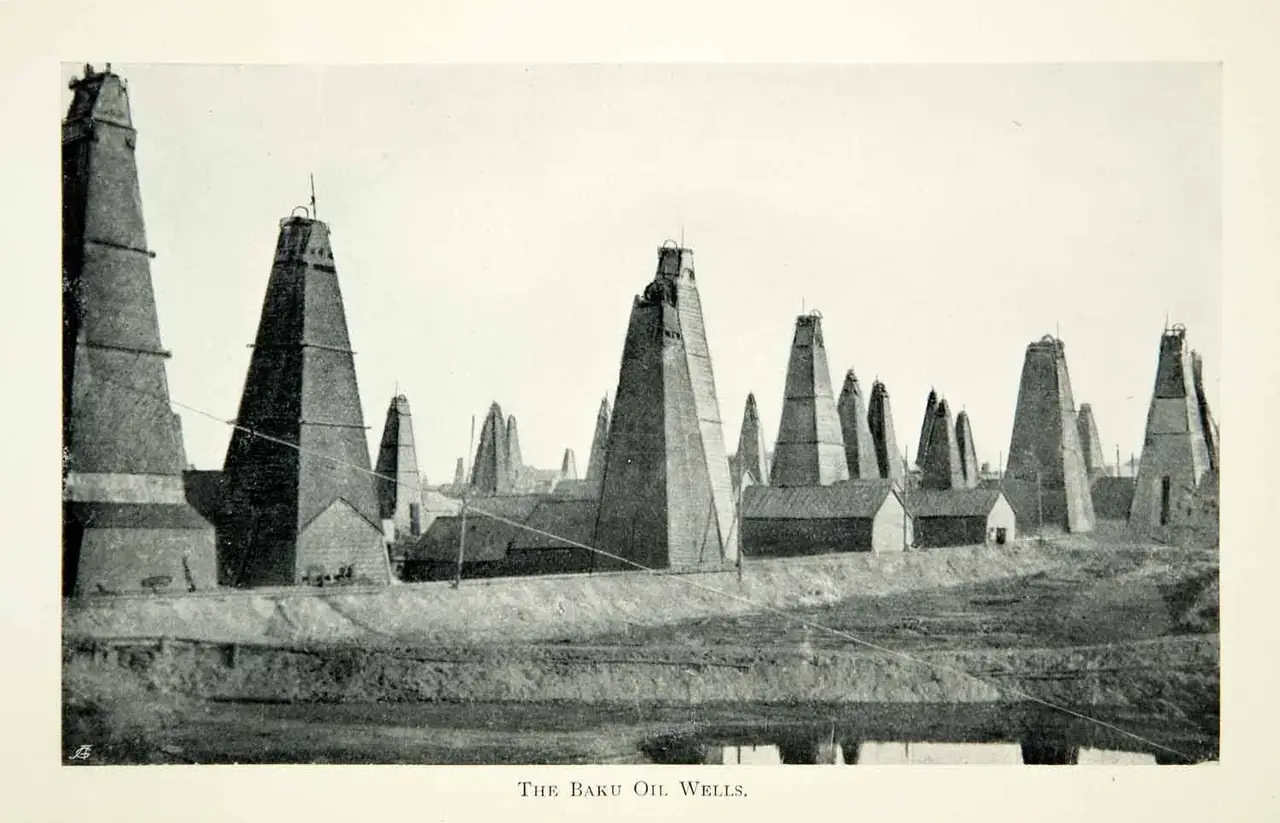
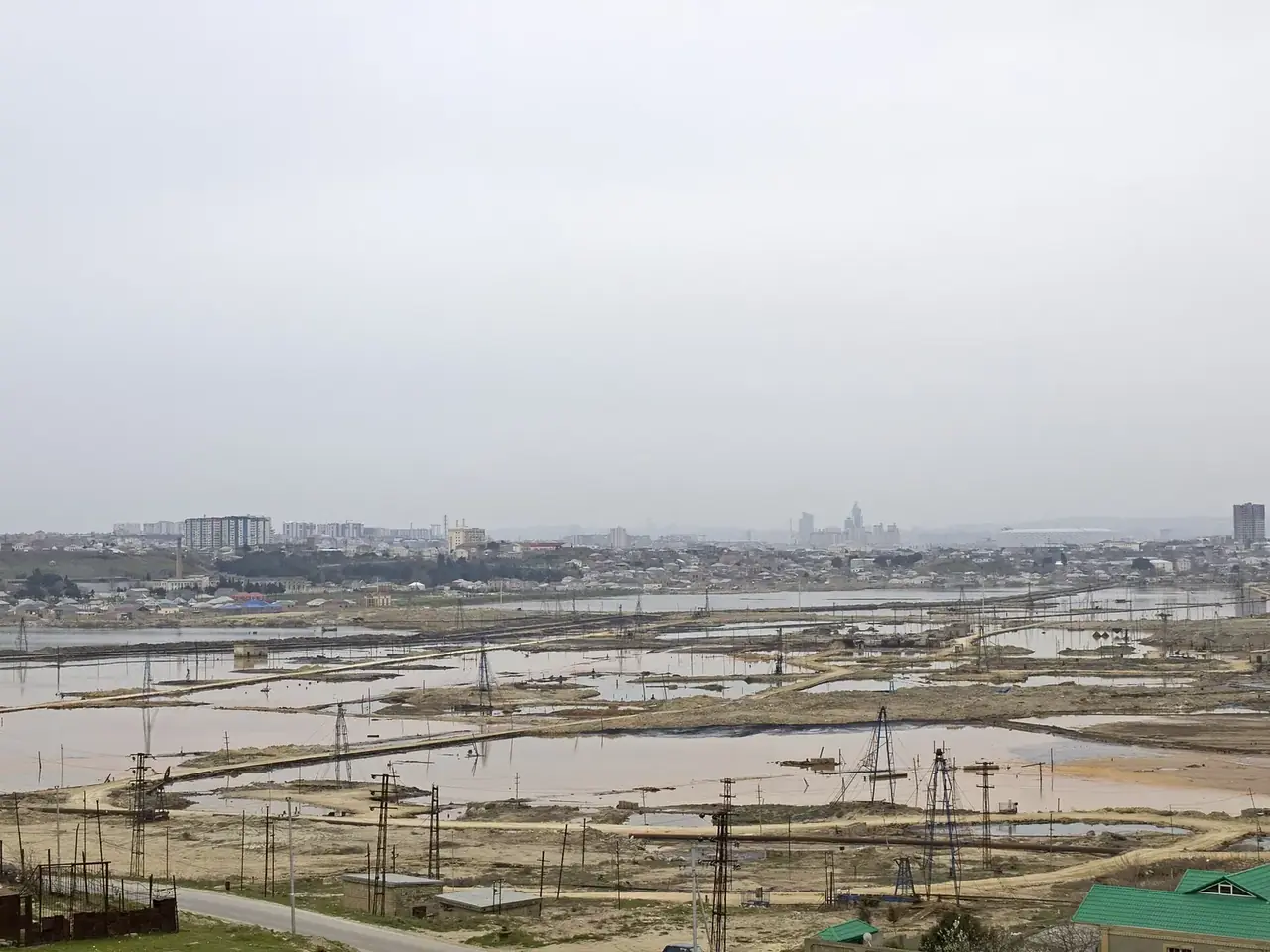
Oil on Absheron was gathered for centuries from hand-dug pits and carried away in skins. The real boom began in the 1870s when private drilling was allowed. By 1901 Baku produced about half of the world's oil.
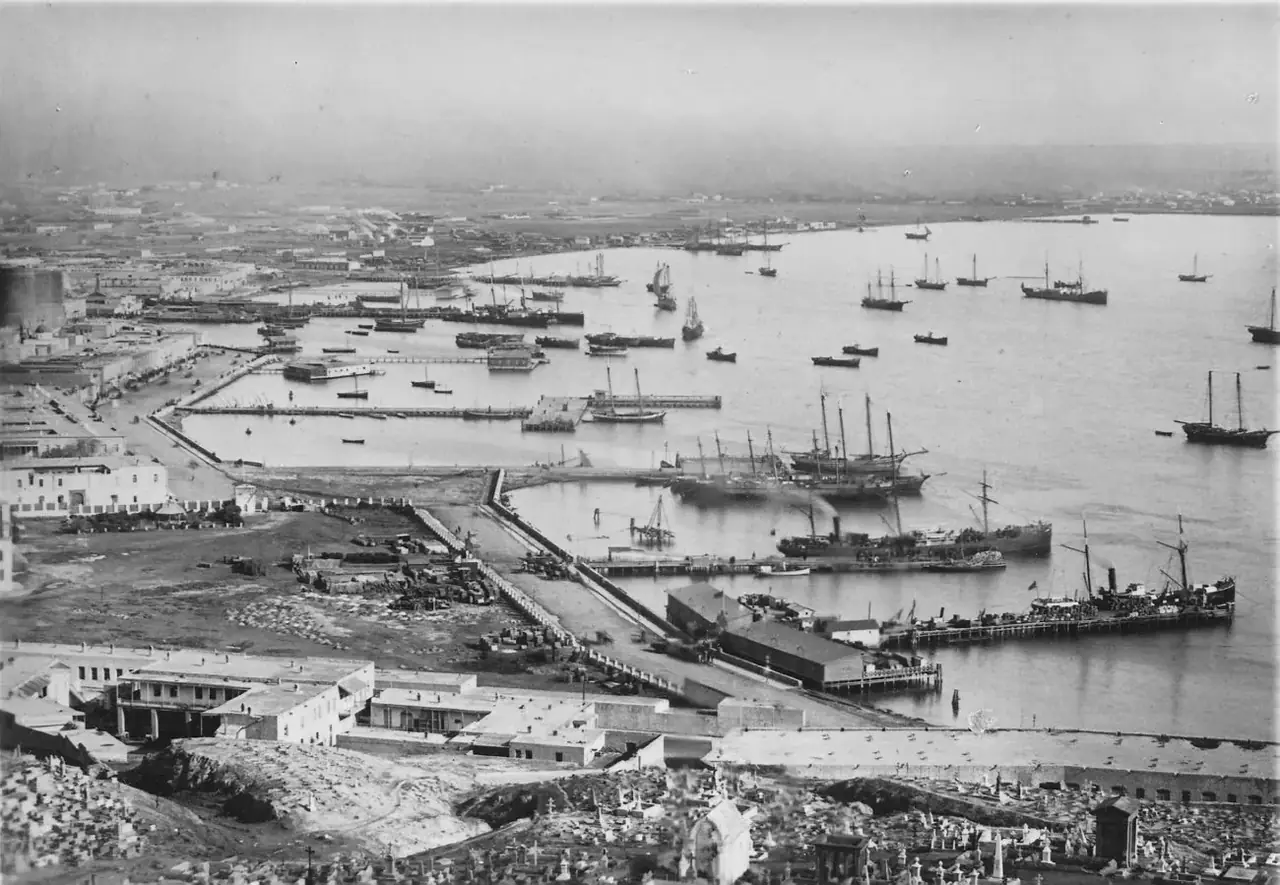
The first wells and Black City
In 1846 one of the world's first oil wells was drilled at Bibi-Heybat. An industrial "Black City" soon grew on the outskirts, and the Nobel brothers launched the world's first oil tanker, the Zoroaster, and built a pipeline.
The oil barons
Haji Zeynalabdin Taghiyev, Musa Naghiyev, Murtuza Mukhtarov and Shamsi Asadullayev made fortunes from oil. They built palaces, but also schools, theatres and hospitals — including the first girls' school in the Muslim East and the first national theatre.
What to see today
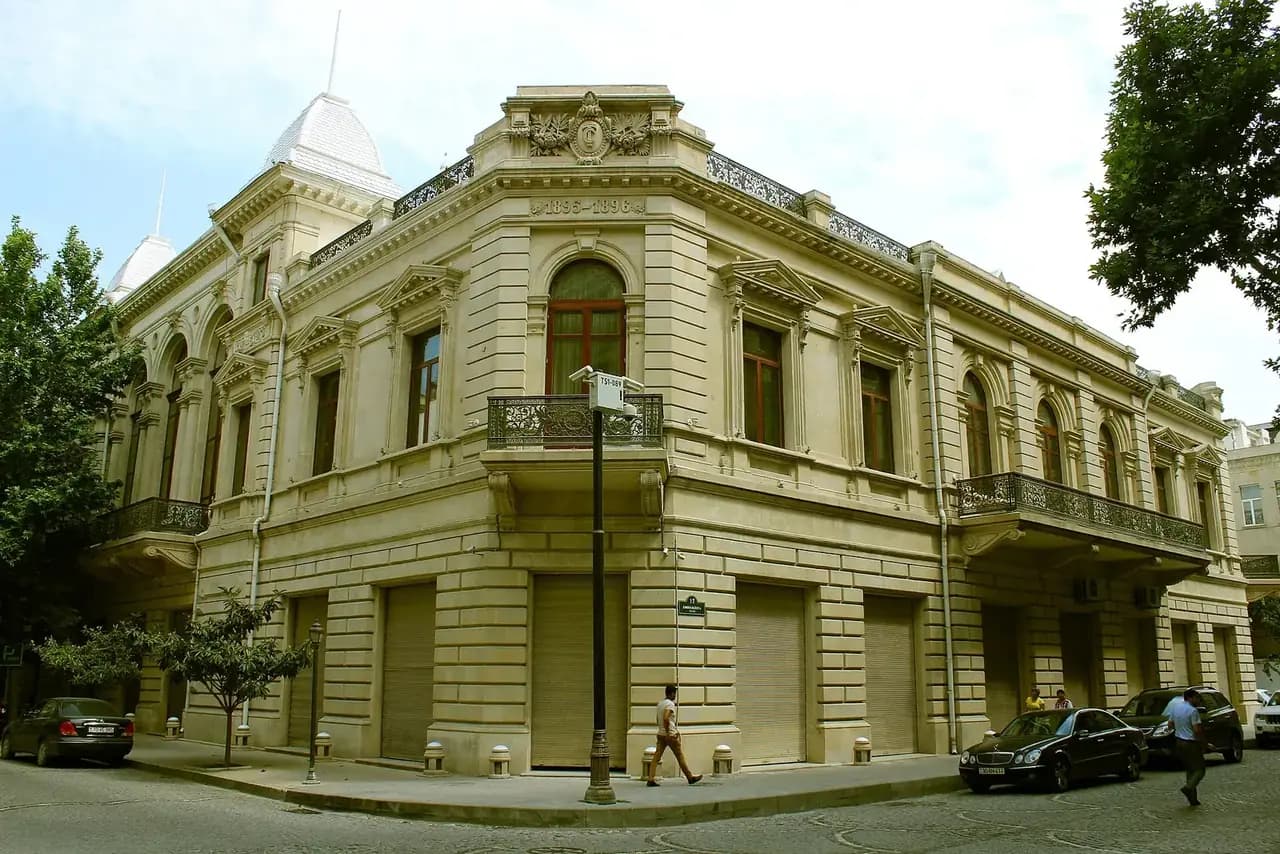
- Ismailiyya (Academy of Sciences Presidium) — Venetian Gothic on Istiglaliyyat Street.
- Mukhtarov Palace — a French Gothic "castle". More in our article.
- Taghiyev's house — now the National Museum of History.
- Villa Petrolea — the Nobels' former residence, now a museum.
You'll see these buildings on our Baku city tour.
Related tours
Inspired? Book the trip with Fly2Baku